Our youth are learning to follow Jesus while living between two worlds.
By Bob Regazzoli, Pastor
Camira, Queensland, Australia
At GCI Camira, our congregation is made up largely of Congolese families who have resettled in Australia through the UNHCR refugee program. Many have faced great challenges adapting to a new country and culture while holding onto their faith. One of the best ways we can support them is by helping their children and youth stay rooted in their Christian identity while navigating life in a post-Christian society.
Our youth are learning to follow Jesus while living between two worlds — their African heritage and a Western culture filled with distractions and competing voices. In this space of tension, we see opportunities for support and discipleship: moments to remind them that Jesus is not distant but present with them, and that the Father, Son, and Holy Spirit are already at work drawing them into community.
Our youth discipleship involves regular gatherings that build Christ-centered community and belonging. These rhythms include the practices that are universally formational with all youth, everywhere: fun and games, art and creative expression, gospel discussions, and shared meals. Twice monthly, GC Camira youth get together for a faith discussion with food and fun.
Apolina Balebanga works alongside our pastors, planning and organising these evenings. Apolina is our youth leader, and it’s very important to note that she is Congolese.
Seeing representation — leaders, mentors, and role models who share aspects of your identity — is important. It shapes how young people understand what is possible for them. When youth see people like them in positions of leadership, influence, or success, it affects their confidence, identity, and sense of belonging.
Apolina also hosts a monthly discussion night for young adults to talk honestly about faith, culture, and purpose. This time helps them integrate their Christian identity with daily life in Australia, guided by the Spirit’s wisdom and encouragement.
Recognizing that community extends beyond geography, Apolina collaborates with a church elder from Melbourne to host Zoom gatherings with Congolese youth there. These virtual connections are building bridges across distance — strengthening faith, friendship, and shared mission.
A Community Reflecting the Trinity
Our youth are learning that community mirrors the very nature of God: Father, Son, and Spirit living in loving relationship. They are discovering what it means to belong to one another in Christ. We celebrate how God is forming them into a community of love — rooted in their cultural heritage and living out a vibrant, Christ-centered future.
From the Editor: Read on for some concrete tips for Christian youth leaders informed by principles from the United Nations High Commissioner for Refugees (UNHCR).
Build trusted relationships first.
Make relational connection your starting point: one-on-one chats, shared meals, informal hangouts.
Recognize that many refugee youths are navigating “dual transitions” — adapting to a new culture and moving through adolescence.
Approach with humility: let them teach you about their culture, story and context, rather than assuming you’ll “fix” things.
Affirm identity and heritage while integrating into new culture.
Celebrate the refugee youth’s cultural background; allow space for their songs, stories, and family traditions.
Help them see that while their identity in Christ is over-arching, their heritage is a gift, not something to hide.
Supporting cultural and religious institutions helps youth maintain integrity while integrating into a new society.
Encourage meaningful participation and agency.
Embed service and mission into youth life. This helps them feel capable. Service helps form identity in Christ and reflects the Trinity-rooted mission: Father sends Son, Son sends disciples, Spirit empowers.
Link service projects to their experiences: e.g., welcoming new arrivals, story-sharing events, cultural nights, community meals.
Help refugee youth see themselves not only as recipients but as contributors: to the church, to their peer group, to their neighbourhood.
Gather feedback from refugee youth themselves: “What helps you?” “What do you wish we did?”
Support language, culture, and navigating two worlds.
Recognize that language barrier, cultural adjustment and disrupted education all affect refugee youth.
Offer mentoring, peer buddies, language-support times, or mixed groups where native/non-native youth connect.
Provide orientation for youth and their family: “How things work here,” “What church life looks like,” “How to ask questions”
Encourage older youth or young adults from similar refugee backgrounds to mentor younger ones — creates peer leadership and identity strength.
Create safe space for questions, trauma and transition
Acknowledge that refugee youth may carry trauma, loss, disruption. Create safe times for reflection, story-sharing, art or journaling.
Ensure your team is aware of mental health signs, referral options, and culturally sensitive support. UNHCR emphasizes psychosocial care for youth.
Encourage honest faith conversations: where is God in this loss? What does it mean to follow Jesus when everything changed?
Was this post helpful?
We strive to make our resources relevant to you, our reader.


 By Bob Regazzoli, Pastor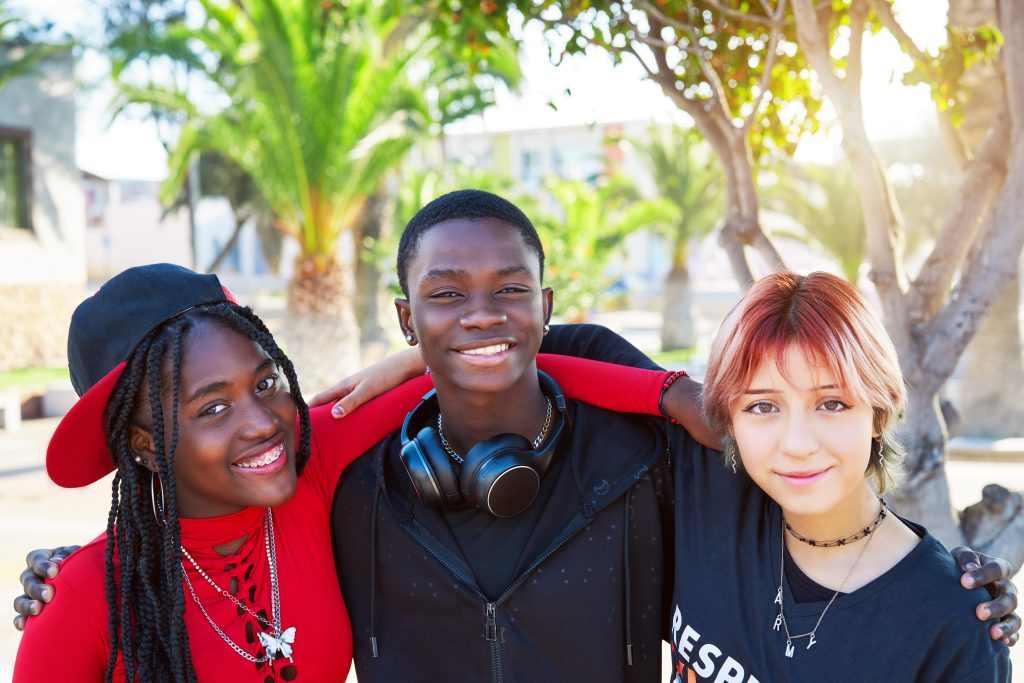

Please note that comments are moderated. Your comment will not appear until it is reviewed.