

Psalm 104:24–34, 35b • Numbers 11:24–30 • Acts 2:1–21 • John 7:37–39
The theme for this Sunday is God is within us. In the call to worship psalm, the psalmist celebrates the Spirit. He is the creative genius behind and loving caretaker of all creation. The Spirit is the life-giving source of all creation and new creation and apart from him, there is no life. In Numbers 11, the Spirit empowered seventy elders to help lead the people of Israel. Two of these leaders were not present with Moses. When the Spirit came on them, these elders spoke out loud, praising God. Joshua asked Moses to stop the two elders who weren’t present with him from speaking out. But Moses shared his deep desire that all the Lord’s people would one day experience the filling of the Spirit. The reading in Acts 2 tells of the pouring out of the Holy Spirit on the believers as they gathered on Pentecost. Due to this gifting, the believers prophesied and praised God. The crowd who heard them were from many different countries. Even so, they heard the disciples speaking in their own languages. Inspired, the apostle Peter shared the good news of the dawning of the “age of the Spirit.” The Spirit was being poured out by the resurrected Lord Jesus Christ as a gift from the Father. The Gospel passage in John 7 shows Jesus standing up on the last great day of the fall festival to speak. Jesus calls all and any to come to him in faith and to drink the living water of the Spirit. Drinking of the Spirit enables them to be a living fountain from whom others may draw.
Reminder: This introductory paragraph is intended to show how the four RCL selections for this week are connected and to assist the preacher prepare the sermon. It is not intended to be included in the sermon.
How to use this sermon resource.
God is Within Us
John 7:37–39 NRSVUE
(Read or ask someone to read the passage.)
On the last day of the festival, the great day, while Jesus was standing there, he cried out, “Let anyone who is thirsty come to me, and let the one who believes in me drink. As the scripture has said, ‘Out of the believer’s heart shall flow rivers of living water.’ ” Now he said this about the Spirit, which believers in him were to receive, for as yet there was no Spirit because Jesus was not yet glorified. John 7:37–39 NRSVUE
Today we gather to celebrate Pentecost, one of the great feasts of the Christian year. We usually hear “feast,” and think of a big meal. A feast on the Christian calendar is a special day set aside to remember something important God has done. Christians throughout history have marked certain days each year so we don’t forget the story of God’s love for the world.
Christmas celebrates the birth of Jesus. Easter celebrates the resurrection of Jesus. Pentecost celebrates the gift of the Holy Spirit — God’s own life poured out on his people.
Pentecost reminds us that the story of Jesus did not end with an empty tomb. After Jesus rose from the dead and ascended to the Father, God sent the Holy Spirit to dwell with his people and empower the Church for Jesus’ mission in the world.
Pentecost is sometimes called the birthday of the Church, because it is the moment when the followers of Jesus are filled with God’s Spirit and sent into the world to share the good news.
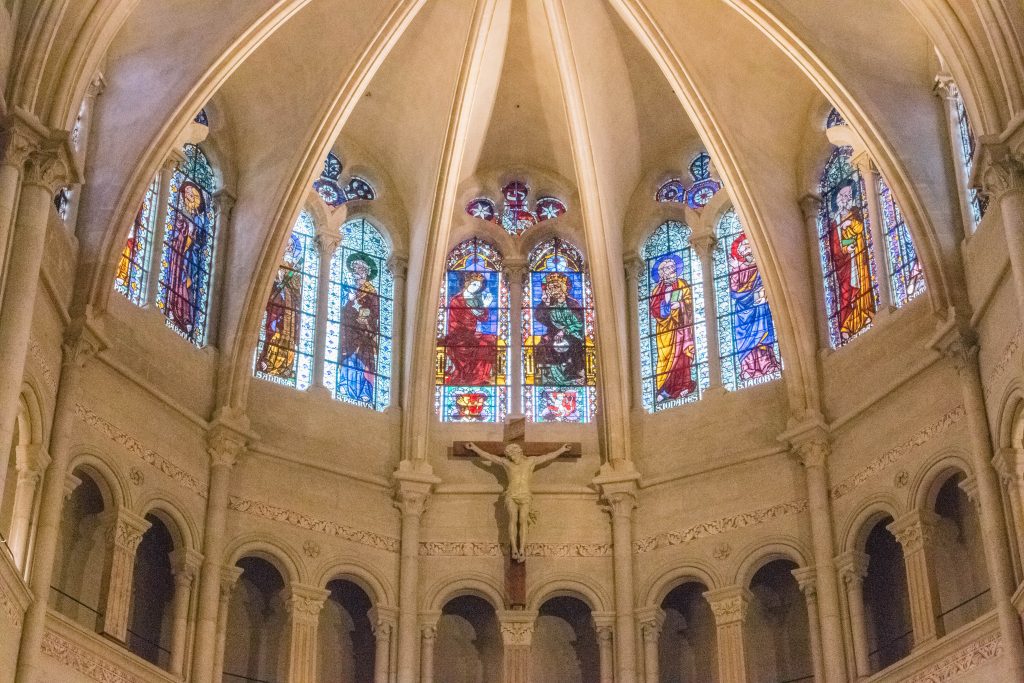
You can read the story of the coming of the Holy Spirit on Pentecost in the Bible in Acts 2. This week would be a good time to read it. Why not read it together with other people?
You will see it is a day marked by powerful images:
Wind rushing through a house.
Tongues of fire resting on ordinary people.
Voices speaking good news in languages from every nation.
But behind those dramatic signs lies something even deeper. Pentecost is about God coming close. This is the life of the triune God — Father, Son, and Holy Spirit — overflowing into the world.
The Father sends the Son into the world.
The Son gives his life for the world.
And the Father through the Son sends the Spirit to dwell within God’s people.
God is within us.
And that brings us to the words of Jesus in our Gospel reading today. Because long before Pentecost happened, Jesus promised it. Our passage today comes from a moment before Jesus died, before he rose from the dead, and before he returned to the Father. Jesus is speaking about something that has not happened yet.
When he says that rivers of living water will flow from those who believe in him, John tells us he is talking about the Holy Spirit, who would be given later.
So, in this passage Jesus is pointing forward. He is telling the crowd — and his followers — that a day is coming when God will give his Spirit to dwell within his people. That promise will be fulfilled after Jesus’ death, resurrection, and ascension.
In other words, in this moment, Jesus is looking ahead to Pentecost.
This month in our sermons, we have been walking through this part of the story together. Jesus tells his followers that he will soon be leaving them. At first this confuses and troubles them (May 3). But Jesus also promises something important: he says he will ask the Father to send the Holy Spirit to be with them (May 10).
On the night before his arrest, Jesus prays to the Father and says, “I am coming to you.” After his resurrection, forty days later, Jesus ascends to the Father. The Church remembers this moment as Ascension Day, and we celebrated it last Sunday (May 17).
But Jesus leaving the world is not the end of the story. In fact, it becomes the beginning of something new. Once the Son returns to the Father, the Father and the Son send the Spirit.
That is what we celebrate today on Pentecost.
And next Sunday, the Church celebrates Trinity Sunday, when we reflect on how all of this reveals the life of God as Father, Son, and Holy Spirit.
The Christian calendar walks us through the story of God again and again each year so we can remember who God is, what God has done, and where God’s story — and our story — is going.
Let’s hear verse 37 again.
On the last day of the festival, the great day, while Jesus was standing there, he cried out, “Let anyone who is thirsty come to me … John 7:37 NRSVUE
This is a dramatic moment. Jesus does not quietly teach a small group of disciples. He stands up and cries out in the middle of a huge festival crowd.
Thousands of people had gathered in Jerusalem. The city was full of travelers, merchants, families, and pilgrims. There were songs, prayers, sacrifices, and celebrations happening all around. And in the middle of it all, Jesus begins to speak.
He is speaking about thirst. Everyone understands thirst. We all know what it feels like when our bodies are dry and desperate for water. But Jesus is speaking about a deeper kind of thirst — the thirst of the human heart.
The thirst for purpose.
The thirst for forgiveness.
The thirst for love and belonging.
The thirst for hope — the hope that life means more than what we can see.
People spend years trying to satisfy that inner thirst. Some chase success. Some turn to pleasure. Some cling to control. But the thirst always returns.
Don’t misunderstand. God has promised that one day suffering will end, and until that day comes, we will naturally feel a longing or “thirst” for more, for things to be different. Longing isn’t wrong. When we pay attention to the brokenness around us, longing for a better world is a sign that our hearts are awake.
And into that deep longing, Jesus welcomes the thirsty to come to him.
To understand the power of Jesus’ words, we need to understand where he said them. Jesus speaks during a joyful Jewish festival.
The festival remembered the time when the Jewish people’s ancestors wandered through the wilderness after leaving Egypt. During those years, God provided for them in miraculous ways — including providing water from a rock when they were dying of thirst.
During the Feast, priests performed a daily ritual or ceremony in the temple. Priests were leaders who served in the temple and helped guide the people in worship and prayer. They would take water from a special pool, carry it in a procession to the temple, and pour it out at the altar. As the water flowed, the people sang, especially promises like this:
With joy you will draw water from the wells of salvation. Isaiah 12:3 NRSVUE
The water practice reminded them of two things. First, God had provided water in the past. Second, God promised to pour out new life in the future.
Many Jewish people then believed that one day God would pour out his Spirit on his people and renew the whole world. They believed the promises God had spoken through his ancient messengers, the prophets, that one day God would renew his people and pour out his Spirit in a new way.
When Jesus stood up and spoke about living water flowing from believers, he was speaking into hopes that many people had carried for generations. So, for seven days water was poured out in the temple.
And then on the final day — the great climax of the festival — Jesus stands up and says: “Let anyone who is thirsty come to me.” To me.
In other words:
The water you have been praying for …
The life the prophets promised …
It is found in me.
The Incarnation: God Comes Near
So, who is this man, Jesus, that life is found in him? Jesus is not merely a teacher pointing people toward God. He is God come to us.
This is the incarnation — God the Son taking on human flesh.
In Jesus, the Creator steps into creation. Christians believe that Jesus, the Son of God, existed long before he was born in Bethlehem. This is also a good time to read with others the first chapter of John because it begins by saying, “In the beginning was the Word, and the Word was with God, and the Word was God.”
That means the Son was with the Father from the very beginning, and through him the world was made. So, the One who walks the dusty roads of Galilee is also the One through whom the oceans, mountains, and stars were created.
The Creator has stepped into his own creation. The One who made the oceans knows what it means to thirst. The One who formed humanity becomes human.
God did not remain distant from human suffering. He entered it.
That means when Jesus says, “Come to me,” he is not speaking from far away. He speaks as one who knows our weakness and our longing.
And the reason we can “come to” Jesus, is because he has already come to us.
God is within us.
Verse 38 completes the thought. Let’s hear Jesus’ full sentence.
Let anyone who is thirsty come to me, and let the one who believes in me drink. John 7:37–38 NRSVUE
At first, these words can sound like a condition — as though belief is a test we must pass before we’re allowed to drink. It can feel exclusive, as if Jesus is saying: Anyone may come, but only the believers get water.
But what if Jesus isn’t giving a formula? What if he’s naming a reality?
All of us are thirsty. Anyone can come to Jesus. But not everyone will drink. Drinking is an act of trust — and trust is what the Bible often means when it speaks of belief. We act based on what we trust: you drive because you trust the brakes will work; you prepay for takeout because you trust the food will arrive.
Please do not picture Jesus guarding the river, saying “Stop! You don’t believe enough.” No one is turned away.
Think of a carnival ride. The ride operator shouts, “Come one, come all! Anyone who loves fun, come, and let the one who is brave ride!” The worker does not exclude anyone; he does not need to. Everyone may come, but only those who trust that the roller coaster is safe will actually get on and ride.
Sticking with the carnival ride comparison, maybe you are that person who thinks, “Well, I don’t feel brave. In fact, I am a little scared, but I want to believe that it will be fun.” And that can be enough.
The only person who has perfect belief is Jesus himself — and he shares his faith, his trust in the Father with us. Nothing we do unlocks God’s grace. We come thirsty. We come imperfect. And Jesus welcomes us to drink.
The Promise of Living Water
Jesus continues in verse 38:
Whoever believes in me, as the Scripture has said, “Out of his heart will flow rivers of living water.” John 7:38 ESV
When Jesus says, “as the Scripture has said,” he is referring to the promises scattered throughout the Old Testament about God sending life like water. Prophets spoke about streams in the desert, rivers of life, and God pouring out his Spirit on his people. As we said earlier, people in the crowd had carried this promise for generations.
Jesus is saying that those promises — given long ago in the Scriptures — are now coming true.
This is a surprising promise. Once we drink, rivers will flow out of us.
John explains the meaning for us: “Now he said this about the Spirit, which believers in him were to receive …”
The living water Jesus promises is the Holy Spirit.
God’s own life will take up residence in human hearts. God is within us.
Why the Spirit Had Not Yet Come
But John adds an important note:
… for as yet there was no Spirit because Jesus was not yet glorified. John 7:38 NRSVUE
The gift of the Spirit depends on the work of Jesus. God’s rescue of his creation has an order, a design. It’s not random.
Before the Spirit is poured out, something must happen.
Jesus must be glorified. In John’s Gospel, when Jesus is “glorified,” it means the moment when he is revealed in fullness, the truth of who he is made known.
When Jesus gives his life for the world, rises from the dead, and returns to the Father, the glory of God’s love is fully revealed. Only after that work is complete does the promise of living water become reality.
And that brings us to Pentecost.
Pentecost: The Promise Fulfilled
Fifty days after the resurrection, the disciples of Jesus were gathered together in Jerusalem. They were praying, waiting, and remembering Jesus’ promise. Then suddenly they were filled with the Holy Spirit.
And immediately, ordinary people began speaking about the greatness of God in languages they had never learned. Travelers and pilgrims from many nations heard the good news in their own languages.
The Spirit brings the life of Christ into human hearts. The love shared within the life of God begins to overflow into the world.
God is within us.
The Spirit Makes Jesus Present
One of the most important things Pentecost teaches us is this: Jesus did not leave his followers alone. Through the Holy Spirit, the presence of Jesus continues among his people.
The Spirit opens our eyes to recognize Christ.
The Spirit gives us new life.
The Spirit forms us into a community shaped by the love of Jesus.
The Spirit also comforts us in times of sorrow.
The Spirit reminds us of Jesus’ teaching.
The Spirit gives wisdom and guidance.
The Spirit helps us pray when we do not know what to say.
The Spirit gives gifts that allow the Church to serve others.
In all these ways, the Spirit continues the work of Jesus among us.
In other words, the Spirit makes the life of Christ present and active in the world today through Jesus’ Church. His Church is sent into the world to reflect the life of Christ — to love our neighbors, care for the vulnerable, speak truth, and share the good news that God is reconciling the world to himself.
The Church is a Spirit-filled community participating in the life of Jesus. The Church becomes a river of life in the middle of a dry world because of the Spirit’s work.
God is within us, so we can join Jesus’ mission in the world.
And we get to share Jesus’ invitation with our neighbors: Come thirsty!
Come with your doubts. Come with your wounds. Come with your questions.
Come thirsty.
Jesus does not say, “Fix and heal yourself first.” He says, “Come to me and drink.” And watch how the Spirit will heal you.
So, on this Pentecost Sunday, hear again the voice of Jesus calling out across the crowd. And he calls to us too: Come and drink.
God is trustworthy, and the Father is how we know. The Father relentlessly pursues us with love and does not give up on his creation.
God rescues us, and the Son is how we know. Jesus became one of us and entered our darkness so that he could bring us into God’s light.
God is within us, and the Spirit is how we know. The Holy Spirit makes a home in us and invites us to share in the life of the Father, the Son, and the Spirit.
Come and drink deeply.
And as you do, may the Spirit of God fill you so fully that rivers of living water flow from your life into a thirsty world.
God is within us. Amen.
Carlos Padilla—Year A Pentecost




Listen to audio: https://cloud.gci.org/dl/GReverb/GR075-Padilla-YearA-Pentecost.mp3
Sunday, May 24, 2026 — Day of Pentecost
John 7:37–39 NRSVUE
CLICK HERE to listen to the whole podcast.
If you get a chance to rate and review the show, that helps a lot. And invite your fellow preachers and Bible lovers to join us!
Follow us on Spotify and Apple Podcast.
Program Transcript
Carlos Padilla—Year A Pentecost
Anthony: Let’s transition to our final text. It’s John 7:37–39. It is a Revised Common Lectionary passage for Pentecost on May 24. Carlos, read it first, please.
Carlos: Sure. Yeah.
On the last day of the festival, the great day, while Jesus was standing there, he cried out, “Let anyone who is thirsty come to me, 38 and let the one who believes in me drink. As the scripture has said, ‘Out of the believer’s heart shall flow rivers of living water.’” 39 Now he said this about the Spirit, which believers in him were to receive, for as yet there was no Spirit because Jesus was not yet glorified.
Anthony: “Out of the believer’s heart shall flow rivers of living water.” And I think this is a place, maybe we lean heavily on the vicarious nature of who the true believer is. But what does it mean and what does it look like when out of the believer’s heart shall flow rivers of living waters?
Carlos: Yeah. The term that I think crushes me is that term living. And what it does is it confronts me with a life that I have to acknowledge that I’m no longer, that God’s no longer fitting in any of my containers, that there’s no way of domesticating the goodness of God because it’s a living water. It’s not stagnant. It’s something that intrigues you because of his hospitality already inside you.
Anthony: Yeah. And how do you, I’m just curious, how do you see this living water imagery? Or do you? Does it move people from a personal spirituality or even an unhealthier place of privatized spirituality into witness in the world? What say you?
Carlos: Absolutely. 100%. You can’t give what you do not have.
Anthony: Yeah.
Carlos: And Jesus says, I will give you the Spirit. So, not only with the Spirit, do you just get this relationship, but you get the divine empowerment to be ontologically yourself, which is automatically on mission, which automatically transcends any version of ethics we have because it prioritizes a cruciform love.
And Jesus says, those who love much will forgive much. He doesn’t give us 50 billion ways and 20 different books on how to forgive somebody. But rather, he says, if you get the big rock in first, all the small ones will just fit. I think this will behold in awe and wonder the beauty of Christ, and let that revelation grow from day to day as a stagnant, as a living water inside of us. The natural response is that out of our belly, people will see this water flowing out of us, and those who are thirsty will come drink. And that is the message of reconciliation. You have been reconciled, therefore live like it.
Anthony: Amen. This is a really brief text, especially for Pentecost. Is there anything else that you’d want to draw from it that you would share with a congregation?
Carlos: Yeah, I would. And like you said, Karl Barth says revelation is reconciliation. There’s no way that we can see God unveiled in his glory, in true revelation for who he is, and it not lead to some type of reconciliation, not just in us, but outside of us.
The resurrection is the message about what Christ has done. It’s a miracle from heaven that he would be raised from the dead. But then he also shows us in that revelation, the true beauty of the cross, this co-centered cruciform love.
Anthony: Yeah.
Carlos: That we have the privilege of awakening to seeing our exact location, what God believes about us, and sharing that same gift of love to a hurting world.
Anthony: And what a gift that is. We’re recording this during Holy Week, today’s Holy Thursday, and we see these living waters expressed in the person and activity of Jesus who walked into the room with his dear friends, even those that would betray and leave him.
And he knew all authority in heaven and earth was his. He knew he was large and in charge in a sense. And what do we see him do? Cruciform love gets up quietly from his reclined position and he washes dirty, nasty feet because he came to serve, not to be served. And it is out of those living waters that we can love one another. It’s only by that.
It’s a supernatural thing. It does not necessarily come naturally to a broken human being like myself, but by the indwelling of the Holy Spirit made manifest. We can love and love well. And thanks be to God that he acts first.
Carlos, I want to thank you for being with us. Bless you and Beth and your family as you make this move and depart from the States to continue your pursuit of truth in a PhD program. That’s awesome. We’re so grateful for you and I want to leave with a thought from TF Torrance who says, “If Jesus Christ is God’s word to man, then Jesus Christ is man’s word to God.” Thanks be to God for that. I want to thank our team with Gospel Reverb. It would not be possible without having a great group of people working behind the scenes to make it happen.
Carlos, thank you. And as is our tradition here at Gospel Reverb, we’d like to end with a word of prayer. Would you pray for us please?
Carlos: Sure. I just want to keep it short. Over the last couple of years, this one prayer has really affected my heart, and I try to share it with as many people as possible. And it’s short and simple. It’s by Macrina Wiederkehr. She says this, “God, Father, give us the courage to believe the truth about us no matter how beautiful it is.” In your Son’s name. Amen.
Anthony: Amen.
Program Transcript
Carlos Padilla—Year A Pentecost
Anthony: Let’s transition to our final text. It’s John 7:37–39. It is a Revised Common Lectionary passage for Pentecost on May 24. Carlos, read it first, please.
Carlos: Sure. Yeah.
On the last day of the festival, the great day, while Jesus was standing there, he cried out, “Let anyone who is thirsty come to me, 38 and let the one who believes in me drink. As the scripture has said, ‘Out of the believer’s heart shall flow rivers of living water.’” 39 Now he said this about the Spirit, which believers in him were to receive, for as yet there was no Spirit because Jesus was not yet glorified.
Anthony: “Out of the believer’s heart shall flow rivers of living water.” And I think this is a place, maybe we lean heavily on the vicarious nature of who the true believer is. But what does it mean and what does it look like when out of the believer’s heart shall flow rivers of living waters?
Carlos: Yeah. The term that I think crushes me is that term living. And what it does is it confronts me with a life that I have to acknowledge that I’m no longer, that God’s no longer fitting in any of my containers, that there’s no way of domesticating the goodness of God because it’s a living water. It’s not stagnant. It’s something that intrigues you because of his hospitality already inside you.
Anthony: Yeah. And how do you, I’m just curious, how do you see this living water imagery? Or do you? Does it move people from a personal spirituality or even an unhealthier place of privatized spirituality into witness in the world? What say you?
Carlos: Absolutely. 100%. You can’t give what you do not have.
Anthony: Yeah.
Carlos: And Jesus says, I will give you the Spirit. So, not only with the Spirit, do you just get this relationship, but you get the divine empowerment to be ontologically yourself, which is automatically on mission, which automatically transcends any version of ethics we have because it prioritizes a cruciform love.
And Jesus says, those who love much will forgive much. He doesn’t give us 50 billion ways and 20 different books on how to forgive somebody. But rather, he says, if you get the big rock in first, all the small ones will just fit. I think this will behold in awe and wonder the beauty of Christ, and let that revelation grow from day to day as a stagnant, as a living water inside of us. The natural response is that out of our belly, people will see this water flowing out of us, and those who are thirsty will come drink. And that is the message of reconciliation. You have been reconciled, therefore live like it.
Anthony: Amen. This is a really brief text, especially for Pentecost. Is there anything else that you’d want to draw from it that you would share with a congregation?
Carlos: Yeah, I would. And like you said, Karl Barth says revelation is reconciliation. There’s no way that we can see God unveiled in his glory, in true revelation for who he is, and it not lead to some type of reconciliation, not just in us, but outside of us.
The resurrection is the message about what Christ has done. It’s a miracle from heaven that he would be raised from the dead. But then he also shows us in that revelation, the true beauty of the cross, this co-centered cruciform love.
Anthony: Yeah.
Carlos: That we have the privilege of awakening to seeing our exact location, what God believes about us, and sharing that same gift of love to a hurting world.
Anthony: And what a gift that is. We’re recording this during Holy Week, today’s Holy Thursday, and we see these living waters expressed in the person and activity of Jesus who walked into the room with his dear friends, even those that would betray and leave him.
And he knew all authority in heaven and earth was his. He knew he was large and in charge in a sense. And what do we see him do? Cruciform love gets up quietly from his reclined position and he washes dirty, nasty feet because he came to serve, not to be served. And it is out of those living waters that we can love one another. It’s only by that.
It’s a supernatural thing. It does not necessarily come naturally to a broken human being like myself, but by the indwelling of the Holy Spirit made manifest. We can love and love well. And thanks be to God that he acts first.
Carlos, I want to thank you for being with us. Bless you and Beth and your family as you make this move and depart from the States to continue your pursuit of truth in a PhD program. That’s awesome. We’re so grateful for you and I want to leave with a thought from TF Torrance who says, “If Jesus Christ is God’s word to man, then Jesus Christ is man’s word to God.” Thanks be to God for that. I want to thank our team with Gospel Reverb. It would not be possible without having a great group of people working behind the scenes to make it happen.
Carlos, thank you. And as is our tradition here at Gospel Reverb, we’d like to end with a word of prayer. Would you pray for us please?
Carlos: Sure. I just want to keep it short. Over the last couple of years, this one prayer has really affected my heart, and I try to share it with as many people as possible. And it’s short and simple. It’s by Macrina Wiederkehr. She says this, “God, Father, give us the courage to believe the truth about us no matter how beautiful it is.” In your Son’s name. Amen.
Anthony: Amen.
Small Group Discussion Questions
- The church calendar walks us through God’s story. How does seeing the story unfold this way help you understand what God is doing in the world?
- Jesus promises that believers will receive the Holy Spirit and that “rivers of living water” will flow from them. Where have you seen the Spirit at work?
- The sermon described the Church as “a river of life in a thirsty world.” What are some practical ways our church can bring hope, healing, or compassion to the people around them?
- Jesus’ invitation is simple: “Come to me and drink.” What might it look like for you to respond to that invitation right now?

Please note that comments are moderated. Your comment will not appear until it is reviewed.