

Last year, we introduced a new resource to help you prepare for the time of giving and taking communion in your Hope Avenue. These are meaningful formational practices that we can plan with care and intentionality.
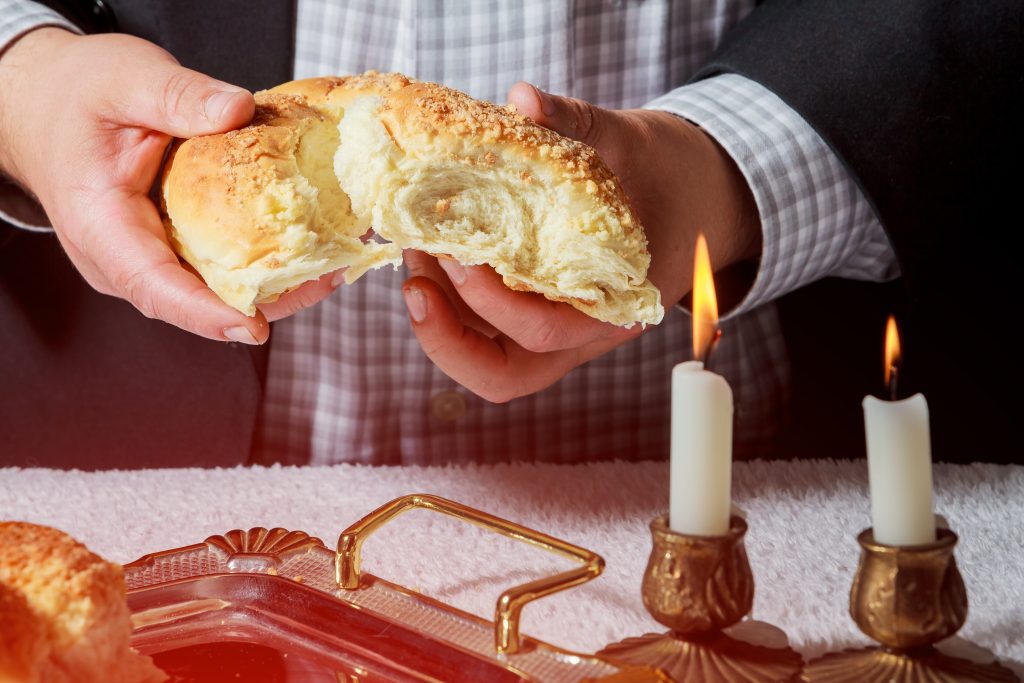
The Communion and Offering Starters are posted a month ahead, like the sermon resources. Below are the June starters. In case you missed it: May Starters are here.
How to Use This Resource
An outline is provided for you to use as a guide, followed by a sample script. Both the offering moment and communion can be presented as a short reflection before the congregation participates. Here’s how to use it effectively:
- Scripture Reflection: Include the relevant Scripture to root the offering and communion in biblical teaching.
- Key Point and Invitation: Briefly highlight the theme’s key point and offer an invitation that connects the theme to the practice.
- Prayer: Include a short prayer that aligns with the theme. Invite God to bless the gifts and the givers. Ask God to bless the bread and the wine and the partakers.
- Logistics: Explain the process; this helps everyone know how they can participate. For giving, indicate whether baskets will be passed, if there are designated offering boxes, or if digital options like text-to-give or web giving are available. Clearly explain how the communion elements will be shared and that participation is voluntary.
- Encouragement: For the giving moment, invite congregants to reflect on their role in supporting the church’s mission, reminding them that their gifts impact both local and global ministry. For communion, encourage congregants to express gratitude for Jesus’ love poured out for us and the unity present in the body of Christ.
For more information, see Church Hack: Offering and Church Hack: Communion
Offering
June Theme: Spiritual Boasting
Scripture Focus: Romans 5:1–2 NRSVUE
Key Point: Giving is one way we boast of the goodness of God who gave us access to his grace.
Invitation: May our offerings be a reflection of the hope we have living in the abundant grace of the Father, Son, and Spirit. May it also be a way to praise God (even boast) in his faithfulness to us at all times.
Sample Script
Most of us look at boasting as a bad thing. And it’s not healthy when the boasting is a focus on the self. Boasting in God’s goodness, however, not only keeps us focused on him. It’s a way to help others understand that God is good and trustworthy. A good example of this is when we tell someone what God has done and is doing in our life. When we boast in God, we recognize our own weakness and our reliance on God. We can brag about the way God is transforming us. Our boast in God is a strong encouragement to those who don’t yet know him.
Therefore, since we are justified by faith, we have peace with God through our Lord Jesus Christ, 2 through whom we have obtained access to this grace in which we stand, and we boast in our hope of sharing the glory of God. Romans 5:1–2 NRSVUE
We have peace with God through Jesus Christ because we have been justified by faith. This gives us reason to boast — not in our faith, or in ourselves, but in Jesus and his faith. Through him, we have obtained access to grace. Because of Jesus, we know he lives in us and we live in him. Because of Jesus we are in the Father, and the Father is in us through the Spirit. Because of Jesus we can boast in the hope he gives us. Our offerings help the Church to share that hope with others. We want others to experience his peace, to live in his grace, so they, too, can boast about God and his goodness.
Prayer
Communion
June Theme: Death and Life
Scripture Focus: Romans 6:6–11 NRSVUE
Key Point: Communion reminds us we are dead to sin and alive to Christ.
Invitation: May the bread remind us that our life is in Christ. He lives and we live. May the cup remind us we live in him because our death in him frees us from sin.
Sample Script
Every gardener knows that life comes from death. While some say a seed never really dies, we do know that when a seed is planted, a new life has to break free from the seed and sprout into something new. Gardeners often refer to this as the seed dying.
Death also proceeds our new life.
6 We know that our old self was crucified with him so that the body of sin might be destroyed, so we might no longer be enslaved to sin. 7 For whoever has died is freed from sin. 8 But if we died with Christ, we believe that we will also live with him. 9 We know that Christ, being raised from the dead, will never die again; death no longer has dominion over him. 10 The death he died, he died to sin once for all, but the life he lives, he lives to God. 11 So you also must consider yourselves dead to sin and alive to God in Christ Jesus. Romans 6:6–11 NRSVUE
When we die with Christ, we are transformed into something new. We are a new creation. This new creation is no longer enslaved to sin.
This is our hope. We died to sin when we were made alive in him, and though we will all face the temporary cessation of this physical life, death no longer rules us. We will be transferred into something better, a body fully alive in Christ.
The physical bread of communion reminds us that our physical bodies, which decay and die, are temporary. The bread reminds us that we are part of the body of Christ, which is eternal. The cup reminds us that we are dead to the enslavement of sin, and we are free to live in him as new creations.
Prayer.

Elizabeth. Thank you for the job that you do in bringing together so many subjects into condensed small articles. Your work is appreciated. Blessings, roger and out.