Worship Calendar & Love Avenue Rhythms w/ Terri Westerhaus & Julie Frantz
Welcome to the GC Podcast, a podcast to help you develop into the healthiest ministry leader you can be by sharing practical ministry experience. Here are your hosts, Cara Garrity and Jamie Garcia.
Cara: Hello everyone. And welcome to this episode of GC Podcast. I have Jamie Garcia here with me once again. And Jamie, I’m wondering what has been bringing you into the joy of Jesus these days.
Jamie: The joy of Jesus? Wow. Cara, without being cliche or deep—every day I have this sense of excitement for something that I believe God is leading me towards. And the reason is because I just turned 30 this year. Yes.
Cara: Woo.
Jamie: Therefore, a sense of excitement for this new decade is there for me, to really discern and obey where he is leading me to participate.
So yeah, in general, I am just very excited.
Cara: Yes. I love that. I just turned 30 too. So, we’re both sharing in that freshness of a new decade and what God is doing. That’s so fantastic.
And today we are going to be talking about—speaking of freshness and new decades and the joy and excitement of what God is doing—we are going to be talking about rhythms of the Love Avenue. And that is something that’s been really on my mind and really meaningful to me these days, the idea of rhythms. I see that rhythms can be everywhere and have a lot of meaning. One example for me is even in music, I love music a lot, and especially the music that has like that strong beat and strong rhythm.
And one of the things that I like about rhythmic music, once that rhythm is established, it really leaves a lot of room for like other creativity to happen and a lot of room for expression once that rhythm takes place.
And so, what does the idea of rhythm mean for you, Jamie?
Jamie: I agree with you, Cara. Rhythm does give room for creativity. I really agree. For me, I associate rhythm with structure. So once a rhythm is established, others can actually join in and contribute because they recognize the structure in that rhythm.
Cara: I love that. And the other piece that I find about rhythms is that they can be really formational.
I think about rhythms of spiritual disciplines or even our worship calendar, where we retell the story of Jesus Christ again and again, to be formed by it. How have you found rhythms shaping you?
Jamie: Rhythms shape me in the aspect of schedule. Yeah, so I find that when I’m able to wake up early to read the word and pray, it is highly likely that my day will go smoothly relative to those days where I have chosen to snooze and miss that rhythm of prioritizing Bible and prayer in the morning.
Cara: Yeah. I love that! Rhythms are important to us. And so specifically thinking of the Love Avenue, I’m wondering, what’s the favorite or maybe very meaningful Love Avenue rhythm or tradition in your local church?
Jamie: One specific that we’ve been doing even before the pandemic was that we bring students from our target school community to join the youth camp. So that is where they actually also enjoy and be with the church. And yeah, that is really something that I believe makes an impact on them, that they’re able to experience church in an atmosphere that’s conducive, especially for young people, since that’s a youth camp.
Cara: Yes. Amen. Amen. Why don’t we go on and jump in and see what Terri and Julie, our guests for today, have to share about what building rhythms in the Love Avenue team can look like.
Hello friends and welcome to today’s episode of GC Podcast. This podcast is devoted to exploring best ministry practices in the context of Grace Communion International churches. I’m your host, Cara Garrity. And today I am overjoyed to interview Terri Westerhaus and Pastor Julie France. Terri is the Love Avenue champion, and Julie is the pastor of Christ Fellowship Church in Cincinnati, Ohio, U.S.A.
Thank you both so much for joining me today. I’m looking forward to discussing Love Avenue rhythms with both. So, thank you. Thank you. Thank you.
Terri: Thank you.
Julie: Thank you, Cara. It’s great to be here.
Cara: Yes. Why don’t we jump right in because this is a rich topic, and I’m looking forward to hearing the insights that you have to share.
So, let’s just go for it. The first question that I have, and Terri, I’d love to hear from you first, what are the benefits and the challenges of an annual Love Avenue calendar?
Terri: The benefits definitely outweigh the challenges. The Love Avenue calendar is very important; reason being, any kind of program is in need of organization and a calendar gives you that. It gives us a manner in which we can grasp the vision.
You can look at the calendar, as there are four quarters in the year. And as you establish your calendar, you can either pick something to do in each quarter, or you just want to do one thing for the entire year. Whatever it is, the calendar gives you the benefit of being able to map it all out, see your vision, look at it all.
And then you can take this calendar, which you have put together with your other Avenue champions, and you can now sit down and get your congregation on board and get them to understand it. It’s so important to understand and be able to have the calendar and know exactly, we’re going to do this. And you’re going to also know what the right hand and the left hand’s doing so that you’re not all stumbling over each other, having the same dates. You want it to flow. You want it to all fit together. And the calendar brings that to the table. It’s a great pre-planning tool to use so important to have and to use and to get organized.
The challenges that it brings is you can look at your calendar and all of a sudden, you want to do something in each quarter and, oh we can’t forget Christmas. And oh, what about Mother’s Day? And all of a sudden, you’re doing all these events and having all these things. You don’t want to spread yourself too thin. You don’t want to do too much.
You’d rather have a program or have an event that’s going to have quality. It’s not all about quantity. The challenge is going to be able to look at your calendar and know, what are we going to do? Let’s not overdo it. You have to think about your manpower. Do you have the congregation? Is everybody willing to use their spiritual gifts, step up to the plate, and do this stuff?
The benefit definitely outweighs the challenges, and it’s a wonderful tool to use and have to prepare for the year.
Cara: Absolutely. Thank you for sharing that, Terri, and as you shared, the keyword that jumps out to me is the intentionality that it helps to bring to your planning and the Avenue.
Julie, what would you add to the benefits and challenges of the Love Avenue calendar?
Julie: The Love Avenue calendar, I think, it would probably be best phrased as the mission calendar for the church, because your Love Avenue calendar is going to work side by side with your Faith Avenue and your Hope Avenue. So, you’re going to come together and collaborate as you move through the year where the venue or the Avenues flow into one another.
And so, it helps the Avenue champions work together as a team in joining Christ, and that’s our goal—is that we are joining Christ in the mission that he is already doing, what he is already leading. And that calendar helps us to just put some things down and together work on that.
And it creates a common vision for the body of Christ. It allows for communicating that vision ahead of time: we’re going into a new year; here’s our calendar. You present that to the church and the leadership, and it helps just feed the vision. Why are we doing this? What are we doing?
It also helps in engaging more people because when people are given the information earlier, when they’re able to do a little bit of planning and say, wait, I’ll be here in June. I can help with that. Or I’m going to be out of town then, but I can help with this one. It helps us to do a little bit more planning and, the Holy Spirit is in that process of planning.
You don’t have to be just by the seat of your pants. You can actually work with a plan, and you could be very effective. And I think it helps lessen the burnout feeling. You don’t go into a year feeling pressured all the time that I’ve got to be doing something or coming up with something. You have a plan.
You’ve all come together to do that. And I think it increases your engagement. We have found that to be true, that the more that we’re able to put out something early to our congregation and kind of work with casting that vision with them, the more involvement we get. The people catch onto the vision.
They want to be a part of it, and they see the purpose of why they’re doing something. It’s not just, we’re throwing an event or we’re doing this little activity. They see the missional purpose of joining Christ. And so that’s really important, and that’s really why we’re doing this. We’re not just doing things to do fun things or to hold activities.
And I think one of the challenges that I would just say that I have experienced a little bit with a very well-organized calendar is that sometimes it can become a getting-things-done checklist and lose a little bit of the participating in relationship.
And so, be aware that a calendar is a great tool in taking those action steps and moving forward and following the leader, the Holy Spirit, and following what Jesus is already doing. But be aware to not allow it to become a checklist of just doing. Know that we are relationally participating with Christ.
Cara: I love that. To use the calendar as a tool to facilitate that participation and not the calendar as an end in and of itself. That’s fantastic. Yeah.
One of the other rhythms that we experience in the life of the church is the rhythm of the worship calendar on an annual basis. And so how can the worship calendar even help shape our rhythms of witness and mission in the neighborhood?
Julie: I think the worship calendar is something that we can invite others to participate in. As a church where we are focusing, whether it’s during the advent season, where we’re going to be doing some other things together as a fellowship. We’ll be gathering for some meals. We’ll be hosting a couple fun things for the kids. We’ll be having some special worship nights.
And being aware of that in the Love Avenue, knowing there’s some really special things that we can invite people to come into that maybe won’t seem completely foreign to them (most of the world knows Christmas, right?) And most of the world is familiar with that. And for them to be invited into a place of worship with this community of faith, I think that’s a really special opportunity that we have to just bring others into that and allow them to feel the rhythm of our church as we seek to worship the Lord and participate with him.
And it’s a great opportunity to send some special invites out to our neighbors. It’s a natural flow of what we are already participating in and where we can open up those arms and open up those doors for others to join.
Cara: Absolutely. Terri, what do you, what are your thoughts on that?
Terri: I think Julie hit the nail on the head when she was talking about how our worshiping and our flow of our year and the things we celebrate, it doesn’t always have to be holidays.
We can have a time of year where we maybe want to worship and really put an emphasis on our children of the community, whether this is the beginning of the school year, when we maybe want to have a blessing of children and start the school year. And we can send that out to the schools and say, we’re also going to provide or do some kind of collection of school materials for backpacks, different things like that.
It can not only be the special holidays that folks really enjoy to participate and celebrate and be a part of, but you can use that worship calendar to shape the rhythm of the community by pulling them into all sorts of other things that they’re very interested in. And it doesn’t have to be just the holidays.
Cara: Yeah. And I love in what both of you share this idea of, it’s an opportunity to invite people in the neighborhood into experiencing various aspects of worship in the life of the church together, some of those opportunities to invite in.
We talk a lot about in the Love Avenue, connecting back to the life of the church and Julie even mentioned, the different Avenues. They don’t function in isolation, right? They’re part of the holistic functioning together integrated of a healthy church. And so, when we’re allowing our worship calendar and the rhythms of our Love Avenue to commingle a little bit, that’s a fun way to be inviting people in.
And then bringing our rhythms, as you said, Terri, even out into the neighborhood. Our rhythms of a particular church community, and then sharing that with the community. I think that’s a beautiful sharing that you both have described there. And … oh, go ahead, Julie, go ahead.
Julie: I was going to say, I think sometimes especially individuals who we may consider unchurched, they have this stigmatism of what church is. And I think the Love Avenue champion has a really great opportunity to change that a little bit and to communicate with our neighbors, this is your place of worship as well. This isn’t us and you. This is a place where God has allowed and called the believers of Christ to gather. And you are invited to be a part of that, a place for you to worship. It’s not just coming to our worship; it’s opening up that door and saying, this is for you as well. This isn’t just us. This isn’t just something that we do. We want that open door of, you are invited. Every time, you are invited! And wanted and valued.
I just think, what if the community looked at a church as you’re like my place to go? I think about the—I’m going back a couple years here, but—I think about, the sitcom “Cheers,” and where everybody knows your name. If a neighborhood church would be where the neighbors could come and be amongst friends and amongst a family and opening those doors where it is just available and open to any and all. And that’s where I think that Love Avenue champion has a really cool opportunity with the neighbors and with the worship calendar to bring that opportunity and that invite to our neighbor.
Terri: I’d like to add, and I think when Julie expresses inviting folks in and “come as you are,” to me, this Love Avenue champion, this person has the most fun champion job. At least I think so because I’m this person.
Cara: You’re biased, but that’s okay.
Terri: I know these words, everybody uses all the time: think outside of the box. But this is the perfect opportunity to think outside of the box and get away from the stigma of, oh, we go to church and there’s a certain protocol that everyone thinks they need to do. Or am I good enough? Am I going to feel comfortable? Am I going to dress okay?
And it’s just to be able to think outside of the box with your pastor and think of things that the Love Avenue champion can bring the community in and make them feel welcomed and make them feel a part of it and not walk in and really be on eggshells.
It’s fun. It’s really fun to think of the different ideas and things you can do whether it’s in your church with your congregation in this worship calendar rhythm that we’re talking about or an event outside of your doors, whether it’s on your property or out in the neighborhood.
Cara: Yeah. And I think what you all are saying is really important, because it speaks about more than just the logistics of rhythms and how do we decide when and what events to do or programs or how to do things. But you’re really speaking to the nature of how we form our way of thinking of mission and presence in a community and the way you can think of this intermingling of the worship calendar and the Love Avenue calendar.
What I’m hearing is this way of tearing down these walls that say, this is church and this is not church; this is where you have to behave this way and this is where you have to behave a certain way or think this way and just tearing those things down and creating space where like you said, we can be welcomed, where we can build those relationships, where we can witness in truth, in goodness without having to jump through hoops maybe.
So, it doesn’t have to be, we do our Love Avenue stuff first, but then once people check off a certain list, then they can come experience the worship calendar. They’re one in the same in Christ; they can commingle, and those walls can come down.
I think that’s a beautiful thing. And then if our calendars can express that philosophy of mission that you guys are talking about, I think that comes back to, Julie, what you were saying. It’s not just a checklist, right? Our calendar becomes an expression of who we believe Christ is and who he’s calling us to be as his church and how to participate in what he’s already doing.
Julie: Yeah. And the community around your church, they may see your church there and they may see that you have weekly services and different things like that. But for them to participate in encountering Christ in the members of the church carrying on relationship with them, that’s where the real stuff is at.
Where we can sit in a space with our neighbors and encounter the living God who speaks to us and who calls us to come with confidence. And we don’t have all the solutions for all the neighborhood problems and all the solutions for all the people that are suffering and experiencing trials.
But by all means we can sit with one another, and we can continue to profess the love of God, and we can love our neighbors in whatever broken space they are in. Let’s be honest, we are in our own broken space. But we can do that, and the Love Avenue is just a beautiful way where the church doesn’t stay within the four walls.
The church walks into relationship with neighbor and in that encounter, we can point back to the gathering. We can point back to our reason of hope, and we can point back to who it is that we worship and who it is that loves us and who it is that makes this all possible. And it’s just really beautiful.
I think Terri’s right. I would agree with each of my Avenue champions that their Avenue is the most fun, but Terri today is right.
Cara: Amen,
Julie: It’s kind of like the mom that tells her kid, you are my favorite. But tells all of her kids, you are my favorite. Terri, you are my favorite.
Cara: Oh, you got to love it.
Even as we’re talking about these different rhythms and kind of this sharing and exchanging of rhythms almost, when I think about the Love Avenue, another set of rhythms that comes to mind is the natural rhythms of the neighborhood.
Terri, what do you think? How do the natural neighborhood rhythms shape an annual Love Avenue calendar?
Terri: I think you first have to know and understand what your natural neighborhood rhythm is. In Cincinnati, in the west side of Cincinnati where our church is located, one of the many rhythms that the community really feeds off of and they really love are yard sales.
It’s a big thing on the west side of Cincinnati. Your junk is someone else’s treasure. So, the community has been doing yard sales [and] Christ Fellowship Church has been doing yard sales for many years. When it started, it was held on a Wednesday morning, because that’s when the gentleman who started it could meet.
And then I took it over, and I couldn’t. I worked on Wednesday, so I changed it to a Saturday. So, we did Saturdays for years. I bring this story … it does have a point. The natural neighborhood, in the big neighborhood in our area, all of the crafters and small business owners, they got together, and they started their own crafting kind of marketplace on the same Saturday, the first Saturday of the month, all throughout the summer.
And it was held on the public parking lot in the center of town, and we’re not even a mile down the road. So, this was on the same Saturday as ours. Even though we’d been doing this for years, they started, and that was the best for them.
So, understanding that was their new time, when they were going to have their event, we did not want to compete with them. I didn’t want to clash with them. I didn’t want to take away from them or have them take away from us. I wanted us to be working together. So, we talked to all of our vendors who were coming, and mind you, our vendors are anywhere from 30 to 40, 45 people that are not in our church.
There are people in the community who sell their yard sales stuff right there by their car, out on our front lawn. So, we all decided that we were going to change our Saturday to the second Saturday of the month. So, we advertised, we put it out there that we were changing. We started letting people know throughout the year, so that the next year when it started, it would be on the second Saturday.
So, this natural neighborhood rhythm, you need to know what your neighborhood’s doing so that you don’t compete. You work more as a team with them. You’re not trying to outshine them. It’s more that you’re fitting together, trying to help the neighborhood instead of competing.
Our neighborhood also is very big in the fall—lots of fall festivals, lots of pumpkin patches and places to go for hayrides and pick your pumpkin from the field. And we also started doing our own little pumpkin patch and same thing you needed to set your hours and your time when you’re not conflicting. If you’re going to have a fall festival, you don’t want to have it on the same day as maybe three other churches in your neighborhood. You need to know their calendar, their rhythm so that you guys aren’t competing.
To be able to reach out, the Love Avenue champion has got the opportunity to reach out and touch so many people outside of the church walls. When Julie was talking about, talking to people about connecting them with Christ, my favorite place to talk to somebody about Jesus Christ is sitting on a hay bale. That’s my favorite place.
Out on our field, when we do our pumpkin patch and we have hay bales around a baby pool that’s filled with corn, that little toddlers like to sit in and play. You’re just sitting there talking to the moms and wow. The stuff that comes out of people when you’re sitting on a hay bale! I don’t know what’s in that hay, but boy, it’s kind of like…
Did you ever remember driving your kids to school and I don’t know maybe because you’re driving and your kid knows you’re not looking at them, they all of a sudden start telling you all this stuff! That’s what would happen. I don’t know.
But anyway, I really enjoy understanding and learning the neighborhood. What do they like to do? Are you in a neighborhood where you have a lot of crime? And maybe you need to help folks and help with understanding.
Every neighborhood has its own little niche of things it loves to do and the problems it has—we all have them! And finding what your neighborhood’s niche is and then join it and be a part of it and not compete with it, is fun. It’s just so fun.
Julie: And I would add that in discovering the rhythm of your neighborhood, please just remind yourself, and I have to remind myself of this. Terri and I have sat and reminded each other of this: it takes time because learning the rhythm of a neighborhood is about developing and engaging in relationship with the neighbors and with the businesses within the community there. It takes conversation.
And we have to be careful not to expect from ourselves perfection. Like, one week, I’m going to go out, I’m going to discover everything I need to know, and the next week I’ll have the perfect way to connect with the neighborhood. Sometimes it takes months of walking alongside your neighbors and figuring out what’s going on.
And it takes awhile for people to learn to trust you and to want to engage. And so, relationship is the focused. We just have to make sure that we don’t rush that or try to bypass that. We need to have a relationship in order to be effective in the community,
We could come up with the greatest event or the greatest way to connect with our neighbors, and if it is not something that they need or something that they’re not even interested in, it’s going to be a waste of our efforts if we just go out on our own without actually knowing the neighborhood.
And I know that we can look at other churches and see some of the things that they’ve been successful with, some of the ways that they have really connected with community. Let’s remember that there’s a big story before that. And that’s a story of a lot of conversations, a lot of time. And that’s okay because there’s a lot of beauty in those conversations and a lot of beauty in that time.
I’ve worked with Terri for several years, and we’ve each sat on hay bells at different times, talking with people and, there was no purpose as far as, we didn’t sit there with the goal of I’m going to get this person to come to my church. We sat there with the goal of engaging in relationship, getting to know people. We have some new members at our church that conversation started on a hay bill! For several years, by the way, year after year, they would come to the pumpkin patch, and we would have conversations. After several years they are part of our fellowship now. I just I think about the way that God did it, it was beautiful. It was not as quick as I would’ve wanted it, I will admit. Beautiful, nonetheless. And to him be the glory.
Cara: Yes. And what I think is incredible in what you both have shared, is what you’re talking about in getting to know the rhythms of your neighborhood and being present with your neighbors in a relational way, in a patient way. That takes time, even if it’s more time than we want. It points to the fact that it’s not just a marketing strategy, right? Because that’s also in marketing: you get to know your market and what they like and what will get them to buy your product.
But that’s not what we’re called to as a church. When we’re talking about stepping into and speaking to the natural rhythms of our neighborhood, what we’re really talking about is stepping into the incarnation rhythms of Jesus, the way that he steps into our own spaces, our passions, the things that we like to do, like yard sales and picking pumpkins and sitting on hay. And that does take time. And that is intimately relational. And not just, how do I get the best hook?
So, I really love what you guys are saying. And I think that this is the back-and-forth flow: we share the rhythms of the worship calendar of this church as we also step into the rhythms of the neighborhood. And it’s this beautiful back and forth of incarnationally joining Jesus in our neighborhood with what he’s already doing in the midst of those relationships, because that’s where he works.
Julie: Yeah, that’s right. Absolutely. And that’s where that beauty in participating in something like this lies. When you truly see that, that this is something that Jesus is doing, man! And it’s not we’re not bringing Jesus to a neighborhood, he’s already there.
Surprise, surprise! You knock on the door and he’s already there sitting with the person that you’re meeting, and he invites us into that. And that’s just so cool because Jesus could do all of this without us. And yet he says, I want you there.
And I don’t know about you, but when God tells me he wants me there, I get pretty excited because I know that I get to participate in what he’s doing. And my God’s pretty cool so I’m up for that.
Cara: Yes. Amen.
This was mentioned briefly earlier, this idea of not letting a calendar become just a checklist or maybe even just events-focused, where the entirety of our witness or mission becomes just about events. And so, I’m wondering, (and Terri, maybe you can speak to this as the Love Avenue champion) how do the dynamics of corporate and personal rhythms in the neighborhood shape an annual Love Avenue calendar?
Terri: You need to get to know your companies in your neighborhood.
We’re on the west side of Cincinnati, we’re not near downtown. But we do have some businesses around us. We have a lot of schools around us. We have other churches around us. So, I think it’s very important to get to know.
I know Julie not too long ago, I think you had lunch, had a meal, broke bread, had spent some time with other pastors in some of the other churches in our area. They weren’t GCI churches. They were the Methodist guy and the Baptist guy, and it was a group of them that got together. And I just think it’s really important to understand the corporate and how are they entrenched? Can you tag team and work together on something together? And even if they already have implemented something, can we help? Is there something you’re doing that we can help?
We have one of our members of our congregation is a principal of a school, and I thought, okay, he’s a principal. He has a school; it’s in our neighborhood. Wow. This is just a glove is going on. How can we make this work? How can we help this principal? How can we help his teachers? How can we help these students? What can we do to help and bring them into a relationship of, oh, we’re just not here to give you a backpack? Teachers, can we come here to give you a cup of coffee and a prayer before you start your new school year?
I think understanding and knowing, like you said, the corporate, the personal, the missions of your community that’s going to help you to direct your events and your outreach programs of the neighborhood toward: how can we connect with them?
How can we introduce them to Jesus Christ? How can they see it through us? The love that we have and the love and the caring and the outreach that we want to do, let our light shine. How can we do that? And knowing them and where they’re coming from and what they’re involved in is very helpful.
Cara: Yeah. And even, as you’re saying, that it’s an opportunity to keep an eye out for and discern for strategic partnerships in the neighborhood.
Julie, would you add anything to that?
Julie: I think it’s important to remember, God has given our church a mission. And he is specifically working within the neighborhood, and he has invited us to join in that.
But also remember, we’re not in competition with the church across the street. I’m not in competition, I’m interested in people encountering Jesus and getting to know him. I’m interested in the kingdom of God growing. And so, my brother or sister across the street in that church, it’s not a competition for me.
It’s something where to love them well, I want to know, how can I support you. How could I further what you’re doing as well, what God has given you to do? And I think a lot of that is just relationally, knowing each other and sitting together.
And I know that the church across the street, they happen to have a [food] pantry. And, I had a couple members, they wanted to do a bigger pantry at our church. We have a small one so that if somebody comes in, we can give them items. We don’t leave them empty handed or anything like that.
But the church across the street literally is a full pantry. And so instead of us opening up a full pantry, I have that information. We can give some things to people, but I always encourage them, Hey, across the street, our brothers and sisters, they actually have this pantry. And so, we try to support them, and I’ve spoken to them about, what can we do to help out?
And so, we’re talking about the best way to support them and at that same time that conversation came to, how can we support you guys? What’s something that God has given you in this community that you are engaged in and how can we support you at that?
So, I think it’s just important to look at the neighbors, the businesses, and the churches. We’re not competing. We’re in this together. Believe me. There are enough people who do not know the Lord, there are enough people that they could fill up all these churches. So, we could trust God’s lead and his gathering there. I long to be obedient to that invitation that he’s given us to participate. And he figures out how that works.
And the businesses and the churches, they’re going to be doing VBS, they’re going to be doing other things to reach out to the community. And I think as we are knowledgeable of those things, we can become something that compliments that and they and in turn, they can also compliment what we’re doing. It can just be a nice rhythm for the community.
Cara: Absolutely. And we’re created for relationships. So, there’s a sense where we really are better together.
Also, something that you said earlier, Terri, that makes me think of this, because there’s, I think, different layers, multiple layers to these dynamics of corporate and personal missional rhythms as a church community.
And I think you guys have touched on that really important layer. We’re not in competition with others in our neighborhood. We can actually partner for the mission that God has given us.
And then I think that there’s also this idea of within the gathering church community, we can be on mission together. And we can live lives that are sent as disciples in our day-to-day life.
And so, when you were talking earlier, Terri, you said something about, it’s really tempting with a calendar to be like, we have to do an event for everything. But we don’t want to spread ourselves too thin. And I think even that can speak to this dynamic of corporate and personal missional rhythms.
If we do an event for everything, then we’re always on mission in a programmatic way, corporately together as a church, a gathering church body. And then, when do we have space for those personal lunches to just break bread and get to know people in the neighborhood or to get to know those organizations or businesses or other churches, because we’re always event planning?
And so, I think you made a very important point about not spreading ourselves too thin because there are multiple ways in which we’re called to engage in mission and corporate level, event-type things. And strategic partnerships is one way, but just living our lives as “sent” people and doing things like having time to grab that coffee is also part of that and how we structure our church activities can sometimes impact whether we have time for that coffee with our neighbor.
So, I thought that was very insightful, Terri, so thank you for sharing that.
Terri: Three words: quality not quantity.
Cara: Yes. Amen. Amen. And you both have already spoken a little bit to this. I’m wondering if you have any more that you would like to add on how does an annual Love Avenue calendar support collaboration between the Avenues?
Terri: I think first, I wouldn’t say that the Love Avenue calendar—I look at this as more, the three different Avenues support each other. It isn’t all about just the Love Avenue, how is it going to make the other two work so that we’re not separate. I think it needs to be looked at that it’s a well-oil machine and that they feed into each other and that they all work together towards the same goal.
I’ve used this example before, and I’ll mention it again. What a perfect example of the three Avenues working together are, maybe one of the Avenues talks about we’re going to do this. The example I’ll use is a new member. That’s great. So, let’s have our new member class and the Faith Avenue is getting those classes and what they’re learning and everything.
And then afterwards, they’re going to have an opportunity to have a potluck with the congregation and get to know the congregation and feel loved and a part of the church. Then as the Love Avenue champion, if I know these things are going on, then I’m going to say, could we maybe do this in August before fall. I don’t know when you’re thinking of doing these classes so that right after they feel a part of the congregation and well loved. We have our pumpkin patch in October, then could we do it right before that so that now they can join the church in this opportunity of being a part of the neighborhood and being a part of this pumpkin patch and what it entails?
So, all three Avenues just flowed from one to the other in helping these new members become a part of not only a church, not only a part of a neighborhood, but a part of a relationship with Christ. And it just kind of all fit together, just so perfectly. So, the three work as one in my mind.
And it’s so important not only that the Love Avenue champion has some folks under her or him that are their right-hand, left-hand man to do the different things that the Love Avenue does, but those champions have to also sit together with their pastor and really work together so that this collaboration of the Avenues is just one unit.
And they’re working together towards the same goal of connecting with the community. Meeting once a month, purposely sitting down with them and meeting with the pastor there as well, is so vital to make this whole faith, hope, love champion achieve the goals that they’re trying to achieve.
Cara: Yes. And thank you for putting that so eloquently, Terri, that they’re flowing together, that they’re really working together as one well-oiled machine, because I think really that’s the point, right? Is that they’re not functioning in their own kind of little corner isolated from each other.
And when we have the intentionality of that calendar, like the example that you shared, I think is incredible then we can have as Avenue champions and pastor, that conversation in advance about, how can we help make this flow? How can we help create an experience that does flow from one Avenue to the next, so that we’re collaborating and integrated versus just haphazardly doing things whenever we remember or feel like it.
So that was an excellent real-life example. Julie, is there anything that you would add about how collaboration is facilitated between the Avenues when we have calendars?
Julie: Yes. I’m not really sure who was the mastermind between behind these, but I really see this as our faith rhythms. As we live out our walk with the Lord, it’s like we come into these rhythms with him and there is a building and then there’s an expression of, as we come to know and experience and encounter the Lord, and as we get sharpened by one another, that leads to an expression of love and relationship.
And we sit with our neighbors, we go into the neighborhood, and we sit in this encounter with Christ. And it’s almost—I realize we’re not saying this, but—it’s almost John the Baptist, “Behold the lamb of God!” Like that, he’s here, and we get to do that!
I’m not suggesting that we go stand on the corner and say behold, the lamb of God. But we get to sit in these relationships with our neighbors and behold, the lamb of God is in those relationships with us. And then we get to encourage stepping into that Hope Avenue where we worship, and we’ve encountered the Lord and we are worshiping him and we long to go deeper. And then we go into the Faith Avenue. It’s just a beautiful rhythm for every single member of our church.
And so even though Terri is the Love Avenue champion, she has rhythm in the Hope Avenue and rhythm in the Faith Avenue. She will be active in each of those in a different way than being the champion that she is in the Love Avenue.
But this is also an active part of her faith, each of those Avenues, and it’s going to be an active part of our faith as a community. And working on that calendar, it becomes an active testimony basically of what God is doing in our fellowship.
It’s it becomes something that we sit there and go, wow, God is moving here. And we have an opportunity for this. And I think that anytime you go to put together a calendar, I think it would be more than beneficial to have all three Avenue champions together, casting that vision and bouncing ideas off of each other.
I think it’s also very important for them to meet regularly as an entire group so that they can continue to have that one vision and that collaboration together in this. And I think that eliminates some of those feelings of the whole world on your shoulders—I got to do this all by myself.
It helps eliminate some of that. And it helps us to maintain our focus on Christ. We might make it about ourselves. Sometimes we get overwhelmed, and we think we’ve got to pull off the perfect event or whatever’s going on. But those regular gatherings really get the focus off myself. Lord, what are you doing?
And this is awesome. We’re in this together. And Lord, you’ve included me, and you’ve included our church. [Then] you sit in a place of gratitude, more so than a place of stress and have to. It’s like, we get to do this with you? That’s awesome.
Terri: I’d like to add one other thing.
Julie mentioned the importance of getting together monthly with the other champions. Sometimes when you’re planning an event or you’re getting ready to do some kind of event, or even at the end of the event, and you’re discussing the success, what worked, what didn’t, you can get so easily—I’m going to say you, because this happened to me.
There was a time when I got very caught up in, how much money did we make? How many people attended? Did it work out good? I totally missed what the event was supposed to be all about. And it took that collaboration, that time when I was around some very close people who I trust, people who you can let your guard down and you can say anything.
And it took—well, and it was Julie who said, “Terri, remember what this is all about. It isn’t about how much money we made. You know what, it isn’t about that. Refocus.”
So, these meetings [are a] time when you can open up your heart and talk about events, talk about the reaching out to the community. And you can’t fall into that trap of, oh, we made a thousand dollars when we did this. This is great. Why don’t we do this next time? And maybe we’ll make two. It’s not about that. It wasn’t about that. And I fell right down in that hole. And then—and I have to compliment Julie. You pulled me up and you refocused me and put me back on track.
And those monthly meetings will do that, will keep everybody [with] both feet on the ground and heading where you’re supposed to head.
Cara: That we support each other in being Christ centered as the body. Yeah. And I think that’s a really important reminder that you guys have highlighted, because it is easy to get fixated on a checklist or look what we’ve accomplished.
Terri: I got sucked right into that. I really fell in one.
Cara: It is an easy trap. It is an easy trap, but praise God, he does make us for one another as his body and community as a church to keep one another with our eyes on him.
We are coming close to the end of our time. So, I do have a couple more questions for you both. As we’re thinking about Love Avenue rhythms and annual calendars, I’d love for you to share what are some best practices you’ve discovered in your own context and maybe what are some things that you’ve tried that didn’t work out.
Terri: Some of our best practices I think started out with realizing number one, do we have the manpower? You can have this wonderful idea going out and getting to know your community and mapping your neighborhood and going door-to-door, that works out great, you can do that with 1, 2, 3 people. But if you’re going to pull off an event, you need to make sure you’ve got your manpower, you’ve got the folks that are going to be able to put it all together.
And it’s interesting this question was one of the questions because we do a pumpkin patch every year and that’s one of our bigger events. I’ve talked to some folks about the pumpkin patch and so this person’s going to maybe set up the maze and this person’s going to do the food and these people will be setting up the different [stations]. There are so many things that need to be preliminary done before the patch opens up so that you’ve got all these tasks organized and who’s supposed to do what and when.
But you need to be able to have those people that say, “Okay, what do you want me to do? Where do you want me to go? Where do you want me to stand? What do you want me to man?” And you just spread open your arms and just say, “I want you to just go out there in the field and talk to people. Go out there and meet them and talk to them. Sit on that hay bale and have a conversation.”
And it doesn’t mean every person you meet that you’re going to be able to solve all their problems. But the point is when you’ve got your different outreach programs, you not only have to have your worker bees to be able to get all the dots and T’s crossed and dots dotted, but you need to make sure you have the folks that are going to be your folks that are going to spend the time to talk to people, to listen the people, and to be able to not be afraid to say, “Have you ever heard of this triune God, do you know what that is? Do you know who Jesus Christ is? Do you know who the Holy Spirit is?”
And to be able to talk to them about relationship with Christ. It isn’t all about worker bees.
As we talk about our different rhythms and the different things we do at Christ Fellowship Church—and there are some big ones that we do that require some folks and understanding your congregation and their gifts and knowing. Well, I can put an extrovert and an introvert together and wow. Watch what happens. It’s awesome. It’s awesome.
I’ve put two people together that I just didn’t think would [work], and it wasn’t me. It was all Jesus Christ because when these two people got together, the one person could talk about anything to anybody, and the other person was dealing with other things. It just was perfect. And I think when you’re having and planning these events, if you can just step back and let Christ lead it and let God lead you, to listen and sit with him and listen to his ideas and what he has to say.
It’s almost like a growing experience to be able to let somebody else lead and not try to take control and take over and do this gigantic magical thing; just to let go and let God lead your lead. You let the Holy Spirit lead you into this.
We have had some that didn’t work out so well. We’ve flopped on a few. I certainly will admit that, and we learned from them. We maybe had something that was very labor intense.
We did a tee ball that was open to the community, and we had 10 teams, 10 kids each. We had coaches, we announced them, we played songs. It was indoors in our church, rain or shine. It was phenomenal. And it was so labor intense that it took away the opportunity for those people to talk to the parents that were there. Everybody was so busy doing work. There’s so much more than just the tasks at these events with the Love Avenue. There’s connecting and listening and talking; it is just as important as the event. And sometimes we forgot that.
If any Love Avenue champions are listening, I think the most important thing to understand is that you’re going to make mistakes. And you’re going to stumble, and it’s okay. You just pick yourself up and [say], “Wow! I learned from that one.” And you move on.
Then it’s really important to sit down with your team, the Love Avenue team, and to sit down with your pastor or the other Avenue champions, and to say, okay, we kind of did this wrong. And you discuss it, and you talk about, how can we make it right?
Believe it or not, the pumpkin patch during COVID—we struggled. There was one year that was really tough. We almost threw in the towel on one of our biggest, special community outreaches because we thought it wasn’t working, and we just were knee jerk reaction, going to throw in the towel.
And it took the collaboration, the love, the meeting, the coming together of the team to say, now, wait a minute, let’s remember what this is all about. Okay, we didn’t make as much money this year. Okay, we struggled with putting together all of the games and stuff. So, what can we do next year?
Maybe we shouldn’t put together the biggest, hardest thing, and let’s just do some other littler things. All of a sudden, we started having all these ideas of maybe we could try this instead, or maybe we could do this instead. And before you know it, bam, you’ve got your pumpkin patch back, full swing, everybody’s excited. Let’s try something new.
You will stumble, some things will work. Some things can be patched up and retried. But you’re never going to know if things don’t work unless you try.
And it’s really fun. And maybe fun’s not even the right adjective. It’s just gives-you-goosebumps kind of a thing. When you’ve realized you’ve been able to walk with somebody and sit with them and introduce them to Christ and what it’s all about. It’s like goosebump material.
Julie: I would agree, Terri, that joining Christ is fun. So, you can use that; you can use that, if you want. It’s fun. I would agree.
I think that when you go to plan a year, we have to remember that it’s about relationally connecting with our neighbors, and there isn’t a manual of the perfect way to throw the perfect event or the perfect this. A lot of things we learned through trial and error.
And I think one of the things that Terri and I have really seen make a difference is when a congregation, when a group of people, capture the vision of who we’re joining and whose ministry it is, what changes.
And I think we experienced that this last month. (I guess it was still this month.) We had our first “Sell Your Stuff”, and we tried to cast that vision for our congregation, that this isn’t about us putting on a yard sale. This is an opportunity for us to connect and get to know our neighbors, and to express the love of Christ to them. And we had more people show up and participate in that than we have in the past.
And we actually had a member of the community attend church the next day. And she said, the reason that she attended church was because of how kind and loving everyone was to her. And “Sell Your Stuff,” it’s not a big production. But the way that it has operated in the past, it was just activity-driven, task-driven.
We hadn’t cast the vision of relationally connecting with our neighbors. And so that vision, it’s really important to cast that vision and to work in that vision with your community, because you’re going to cast that vision and not everybody’s going to get it the first time, but just continue to invite.
I understand that you may cast the vision with your church; you may invite people to participate in this. And you may get one and the next time maybe you get two, but I would just continue to cast that vision and continue to invite people. And I’ve watched God one by one, just change hearts. And it’s like the light bulb comes on. Wow, Jesus has actually gifted me and invited me in participation. Wow.
And I see members of our church starting one by one, start expressing, they get that God has sent them. They get that God has given this opportunity. And I think it’s really important to cast the vision of whose ministry this is.
And cast that vision that we are joining Christ. And we’re here to connect with our neighbors, regardless of how successful the event is in any other way, we are here to connect and love our neighbors,
Cara: Absolutely. Those are excellent insights.
Thank you both for sharing that. And before we wrap up our time, are there any final words that you would like to share with our listeners?
Terri: I guess my final words would be directed to the Love Avenue champions. And I think when all this champion stuff started and you were asked to be a leader in this Avenue, I think the initial feeling was a bit overwhelming. Oh, my goodness, you’re putting a lot on my plate.
After you get through that emotion, you grasp what it is that you’re trying to accomplish. You’re not trying to accomplish the biggest and the best event of the year. You’re not trying to accomplish a whole lot of cool stuff, like, wow, we’re the cool church with all the bells and whistles.
When you just stay focused, like what Julie said, on that vision of joining Christ in relationships. (That’s such a foreign word, I think, to so many people: relationships.) Events, going door-to-door, this Love Avenue is all about relationships. You could almost be called the relationship champion. It’s not meant to overwhelm people and it’s not meant to put so much on your plate that you think you got to do it all.
Because you’re given tools, and the calendar (we’ve talked about the calendar this whole podcast) the calendar is one of your tools to help you not get overwhelmed and to keep you grounded and organized. And same with the other champions, they are there to keep you grounded and keep you focused. Use these tools Christ has given you, don’t try to do it all by yourself.
And that would be the main thing that I would hope to have people take away from this.
Cara: Thank you for those wise final words, Terri. I appreciate it. And Julie, what about you some final words for our listeners?
Julie: I would just encourage all who are embarking in this expression of love to their neighbors, just remember that Jesus goes, he is there. He is with us. This is not something that we are creating or making happen. It is already what Jesus is doing. Jesus is already loving our neighbors.
And he has asked us to come and be in that relationship. The weight of all this other stuff, it’s not on us; he already makes those paths for us. And we can trust that lead. We can trust his lead in difficult conversations. If you don’t know how to connect with someone, we can trust the lead of the Lord.
If he has asked us to come (and he has, by the way, he has sent the church and we are at the church) then his provision is abundant. It is enough. We can trust that. And the Love Avenue is nothing without Christ. But with him, oh, the wonders! I’m always reminded of, in Christ I can do all things, but I’m also reminded that without him, nothing. As we begin the journey of a Love Avenue, let’s not take a step without him.
Let’s let him be the lead. Let’s let him be the strength. Let’s let him give that invitation of where and how. Let’s trust that his lead is good and perfect. And it doesn’t mean that we won’t make mistakes because sometimes that’s the way he allows us to learn.
And sometimes it’s in the failures of life that we grow so much. I think about some of the things in our church that haven’t gone so well, and yet some of the beauty that’s come out of those things.
God knows what he’s doing, and I’m not going to stand here and say, I know what I’m doing in all of this. And Terri (she knows how I mean this) Terri doesn’t know what she’s doing in all of this either. This isn’t our expertise, but we have had the wonderful invitation to join Christ in this. We have had the opportunity to participate in this and we can say, God is good and faithful.
And so just remember that and as you embark, God is good, and he is faithful.
Cara: Amen. Thank you, Julie, for those words.
And as we wrap up, we are not quite done with the fun yet. I have a couple of random questions for you all, and you both can answer whatever comes to mind first. There are no right or wrong answers, whatever is true or good.
And then we’ll have a little bit of fun with it. So, are y’all ready? So, our first question is what is your favorite plant?
Julie: I love an Aloe vera plant.
Cara: Oh, okay. Terri, what about you, your favorite plant?
Terri: That’s a tough one, because I’m a big yard flower person, but I would have to go with a Viburnum.
Cara: Okay. Very nice. If you could only listen to one genre of music for the rest of your life, what would it be?
Terri: Mine’s going to be Christian (music), so that’s all I ever listened to.
Cara: Okay. Like contemporary worship music kind of genre of Christian? Okay. Julie, what about for you?
Julie: Gosh, this seems like an impossible question for me, because I am like a mixed girl. I love … there are songs I love from everything. I’m an oldies girl. I like oldies a lot.
Cara: Yes. I love that. All right, this next one. Maybe there is a right or wrong answer to this one, but I promise, I guess I won’t judge you too harshly. Would you support a national avocado day as a work holiday?
Julie: Would I? Absolutely. As long as everybody gets avocados, guacamole and chips.
Cara: Yes. Good answer.
Terri: I’m sorry, but I don’t like avocados.
Julie: We have to rethink her position as the Love Avenue champion.
Cara: I think so! You got to put that into the ministry description: loves avocado.
Terri: Couldn’t it be a chocolate day?
Cara: You could eat chocolate on national avocado day. You have the day off from work. If it’s a work holiday, so you can do whatever you want.
Oh, goodness. All right. Final question. What would the title of your autobiography?
Julie: There You Have It.
Cara: I like that. Go ahead. Sorry.
Terri: Mine is, It Is What It Is.
Cara: Ooh, I like that too. You guys have good autobiography titles!
Oh, this really has been a lot of fun. And I thank you both, Julie and Terri, for being with us and taking your time to share some insights with us about the Love Avenue and rhythms and calendars today.
It is our practice with GC Podcast to end the show with a word of prayer.
And so, Terri, would you be willing to pray for our churches and our pastors, ministry leaders, and members in GCI?
Terri: I’d love to. Yes. Thank you.
Heavenly Father. We just come before you right now, just to thank you so much for this opportunity and this new journey, a journey that we are exploring and understanding. And the title of our journey is relationships.
And we just thank you that we are understanding and grasping what it means to have a relationship with you. We asked that you could help, not only our pastors and our three different champions and their teams, but our congregations to help them to understand, what this vision is that we’re trying to cast.
What does this mean joining Christ? What does it mean to connect and love on your neighbors? What does all this mean? We just asked that you could be with all of the folks that are listening to this podcast and be with all the churches, not just GCI, but the churches around the world to help them to understand what love thy neighbor means.
We love you so much, and we know how much you love us. And we just thank you so much for this love, for a triune God that we’ve come to understand is our friend. And we thank you for that. This is a wonderful opportunity, this technology of a podcast to be a part of, and to be able to use this technology to reach so many folks. And help us all to work together towards this vision of loving you and understanding you and growing deeper in a relationship with you.
We thank you. We pray all of this through your Son, Jesus Christ. Amen.
Cara: Amen. Jamie I was really struck by Terri’s suggestion, that Love Avenue events that are planned throughout the year should have enough people capacity that some people’s job is just to be with people and not just to run the event.
I think that’s a great challenge for us to think about when we put together our Love Avenue rhythms and we plan and schedule events. What is our capacity? Are we just running the events or are we spending time with people?
What’s something that really stood out to you from what Terri and Julie had to share?
Jamie: Cara, a lot stood out that me actually, but the main one was when they shared that they would have time to also meet with members from other churches in their neighborhood.
I like it when Julie said that we are not in competition with the church across the street. I love that part because we really have to do that as a church, as the body of Jesus on the earth today. Our goal is to love our neighbors together and that we are not competing with other ministries or other churches, but instead we are to also love them.
We are also to celebrate what the Lord is doing through them. And with that, I can just imagine the Father being so proud when all of his children love each other and also love others together. I love that.
Cara: Yeah, thank you for highlighting that. Jamie, it makes me think about the Love Avenue is all about witness and mission, and that witness and mission of Jesus belongs to his entire church. And so that’s important to remember.
Thank you so much for joining us again today, Jamie, and for being our co-host for this quarter. It’s been so much fun having you with us on the GC Podcast. And so, before we close out this final podcast of this quarter, I wonder what can you share with us about the GCI curriculum On Being In and With the Word.
Jamie: On Being In and With the Word is a seven-week series that focuses on the Bible and a method of studying scripture. It is the last curriculum to be released for On Being series. All the curricula in the series can be found here on the website at resources.gci.org/on-being
Cara: Thank you so much, Jamie.
Friends, go on ahead and check out the On Being series. We really appreciate you listening to the GC podcast. And if you liked what you heard, go on ahead and give us a rating wherever you’re listening to the podcast, it helps us get the word out and to bring others into the conversation. But until next time, keep on living and sharing in the gospel.
We want to thank you for listening to this episode of the GC Podcast. We hope you have found value in it to become a healthier leader. We would love to hear from you. If you have a suggestion on a topic, or if there is someone who you think we should interview, email us at info@gci.org. Remember, healthy churches start with healthy leaders; invest in yourself and your leaders.





 By Michael Morrison, GCS President

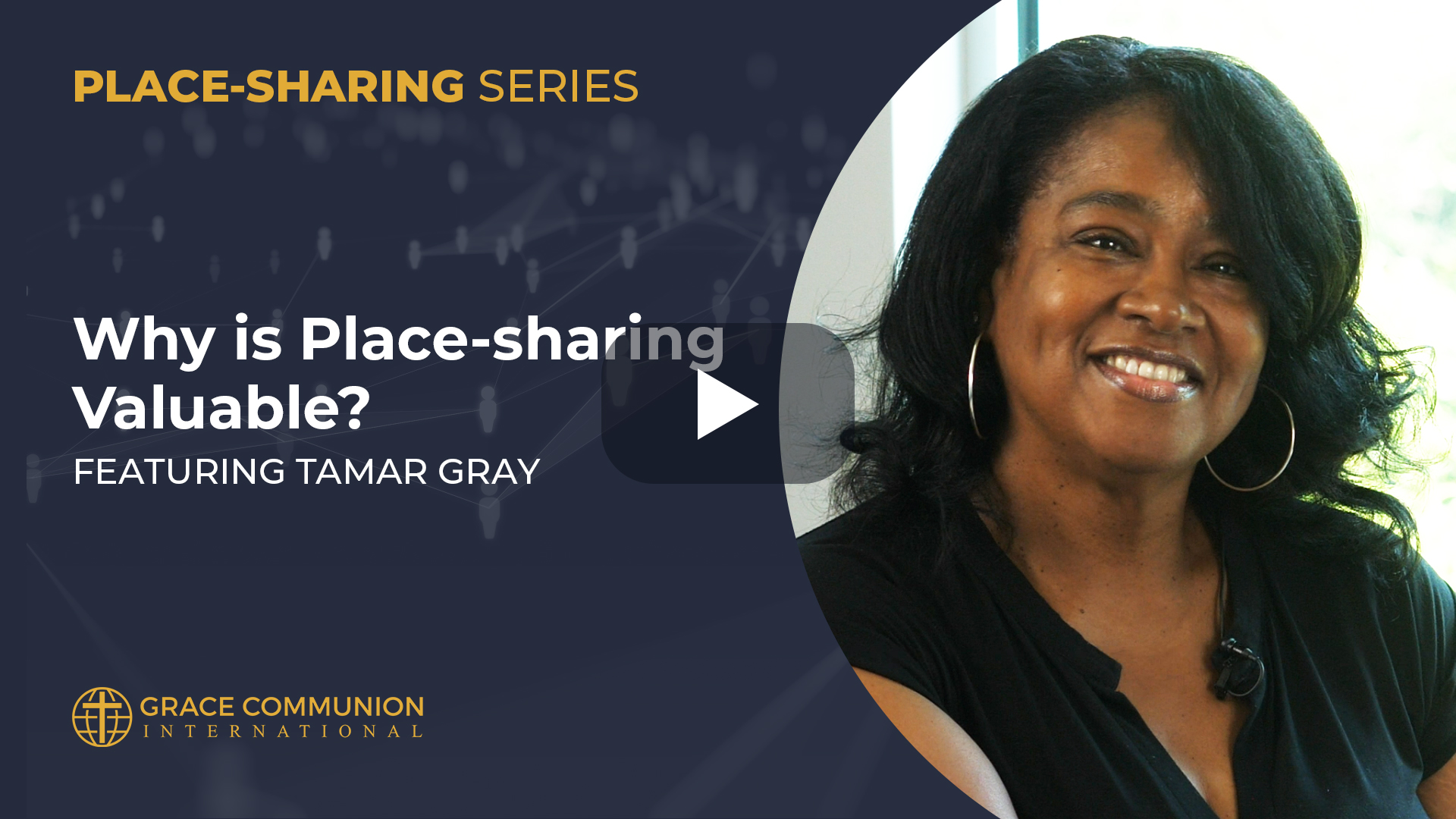



 “The Love Avenue calendar could be phrased as the mission calendar for the church because it’s going to work side by side with your Faith Avenue and your Hope Avenue. So, you’re going to come together and collaborate. The annual calendar helps the Avenue champions work together as a team in joining Christ, and that’s our goal—we are joining Christ in the mission that he is already doing, what he is already leading. It creates a common vision for the body of Christ. It allows for communicating that vision ahead of time.”
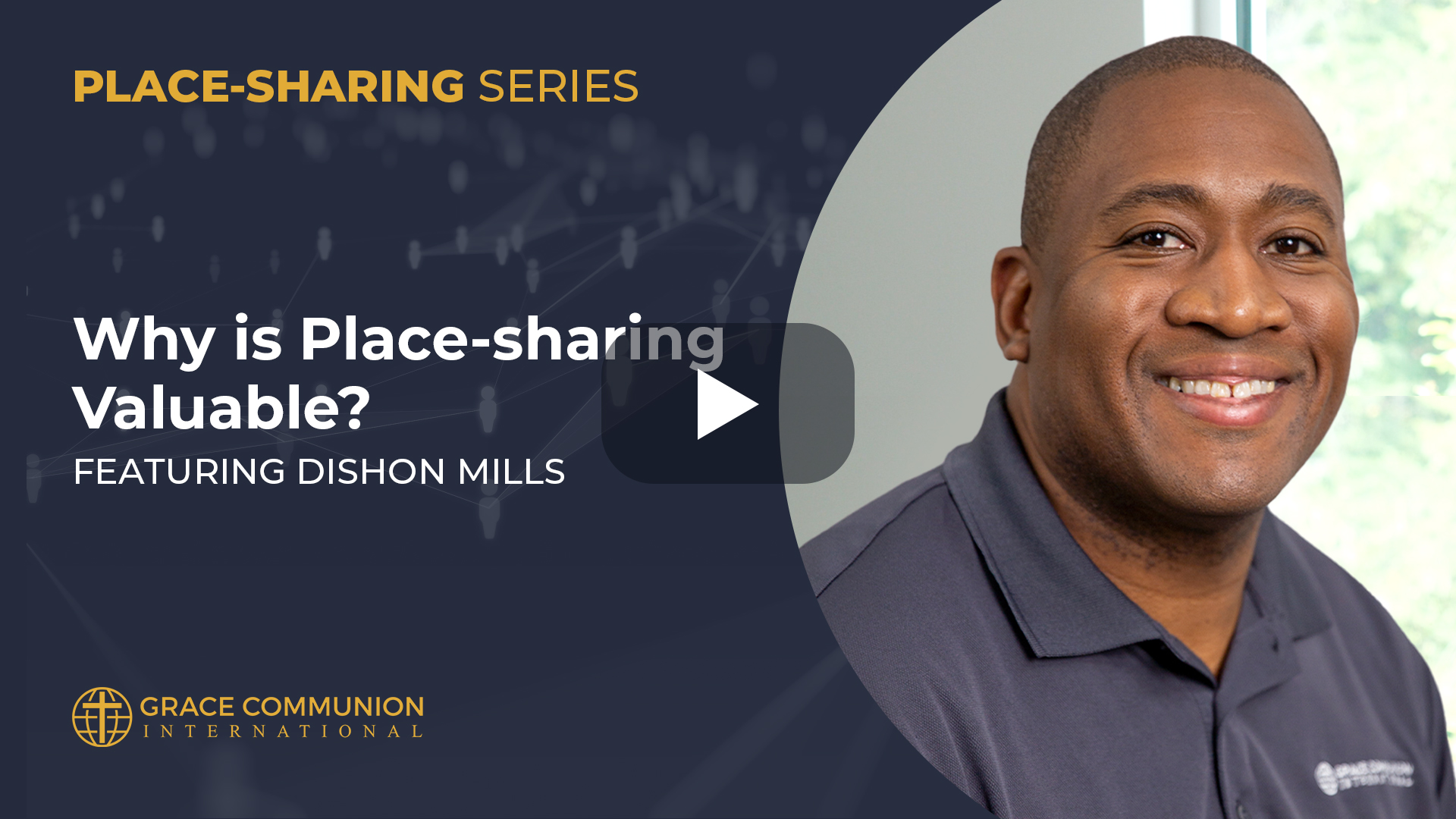
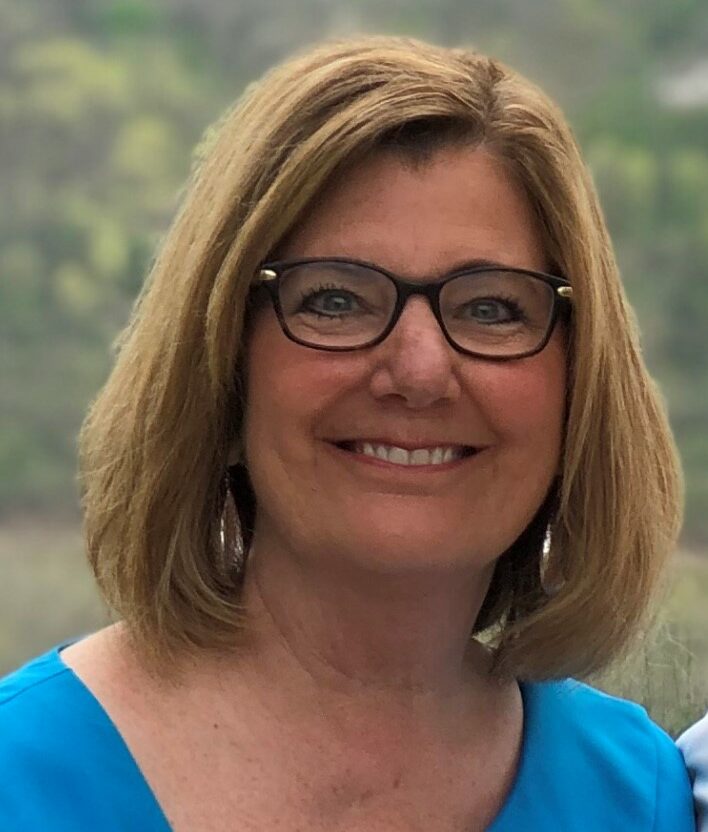 “The benefits definitely outweigh the challenges. The Love Avenue calendar is very important; reason being, any kind of program is in need of organization and a calendar gives you that. It gives us a manner in which we can grasp the vision.”