

Gospel proclamation belongs within the larger mission.
Mission encompasses everything God is doing in creation. God is sustaining the world, caring for humanity, restoring relationships, blessing communities, and ultimately renewing all things. Mission becomes less intimidating when it is understood as the natural overflow of Christian life: loving neighbors, bearing the fruit of the Spirit, working faithfully, and participating in God’s restorative purposes.
Below are some key ideas for your leadership to discuss. They are summarized from Dr. Walter Kim’s interview, Part 2. Listen to the full GC Podcast here.
- The Gospel Is the Good News of God Making All Things New
-
- Isaiah shows that biblical “good news” is much broader than individual forgiveness alone. Isaiah’s vision includes peace, salvation, restored cities, renewed communities, justice, and the nations seeing God’s saving work.
- If the gospel is presented only as the solution to an individual problem — “my sins need to be forgiven” — people can easily approach Christianity as consumers.
- Forgiveness is essential. But forgiveness brings us into new life, not merely out of guilt. The gospel is far richer: it includes personal wholeness, relational wholeness, communal restoration, and ultimately cosmic renewal.
- Word and Deed Belong Together
-
- For the early church, the message of a crucified Messiah was culturally strange and even offensive, yet the witness of Christians caring for widows, orphans, and the poor made their proclamation credible.
- Acts of mercy and justice are not merely techniques to get people to listen to an evangelistic message; they themselves are expressions of the good news.
- The gospel should be both spoken and demonstrated. At its best, the church holds together proclamation and embodiment because Jesus himself holds all of life together.
- Salvation Brings Us into a New Family, Vocation, and Purpose
-
- A fuller gospel gives disciples from the beginning an expectation of growth, participation, relationship, vocation, and mission.
- These gifts bring joy, but they also carry responsibility. This helps make sense of Jesus’ language about counting the cost and taking up our cross.
- Discipleship is not an added requirement after salvation; participation in Christ’s life and mission is part of the life into which we have been saved.
- The Church Must Be Unleashed into the Neighborhood
-
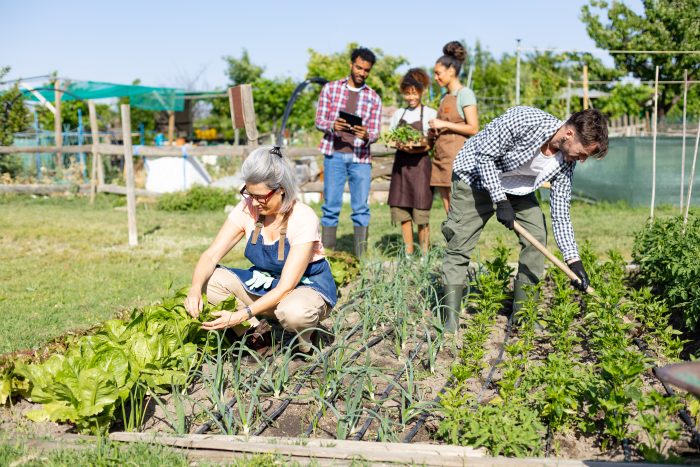
- Christians can serve not only through church ministries, but in schools, civic groups, neighborhood organizations, volunteer networks, and ordinary community life. Rather than approaching people from the outside, Christians share life with them.
- Mission happens when Christians show up as neighbors. Evangelism becomes more relational and natural when relationships already exist through common work and common concerns.
- The question shifts from “How do we get our neighbors into church?” to “How do we become faithful neighbors where God has already placed us?”
- Serve With People, Not Only For Them
-
- Mission can be profoundly evangelistic when people are invited not merely to observe Christians, but to experience Christian community from within.
- The non-Christian participants can become partners in serving. Working shoulder-to-shoulder gives them an inside view of Christian prayer, community, vulnerability, and service.
- Shared mission creates opportunities for questions about Jesus to emerge naturally. Mission can become less forced when it grows from genuine neighborliness.
Reflection Questions
-
- When we use the word “mission,” do we primarily mean evangelism, or do we have a fuller vision of God restoring people, relationships, communities, and creation?
- Do our words and deeds reinforce one another? Where might our congregation be proclaiming the gospel without embodying it — or serving without clearly connecting that service to Jesus?
- Are we unintentionally forming consumers by presenting the gospel mainly as something God does for the individual, rather than inviting people into new life, family, vocation, and purpose?
- Where are our members already participating in the life of the neighborhood — schools, workplaces, civic groups, sports, service organizations? How could we recognize those places as genuine mission fields?

Please note that comments are moderated. Your comment will not appear until it is reviewed.